About Accessible Design
What is Accessibility Design?
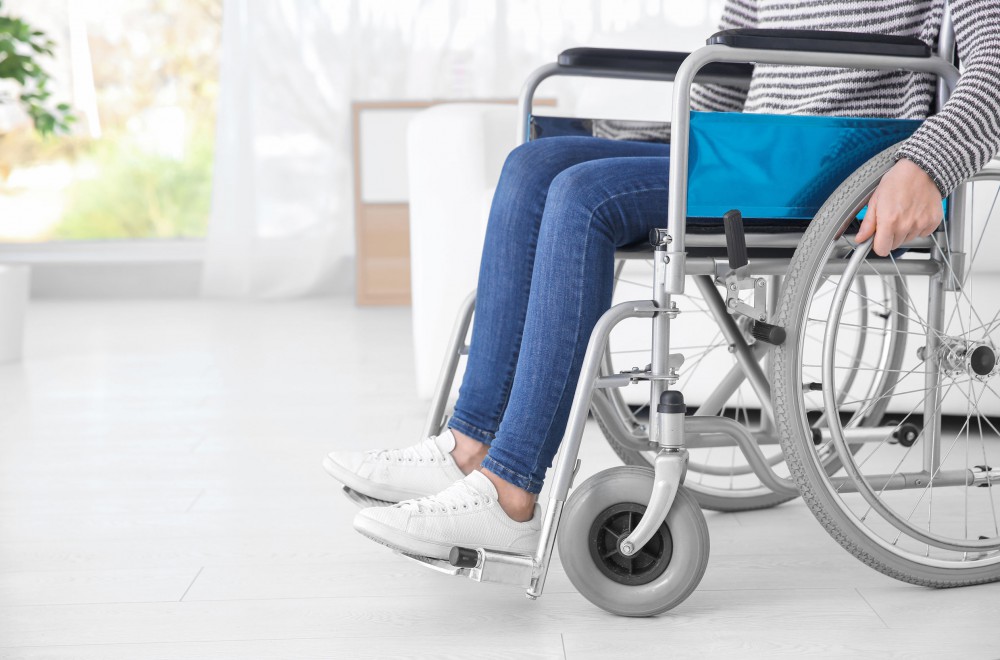
Accessibility Design is a design concept aimed at ensuring that products, services, environments, or facilities can be used by everyone, particularly addressing the needs of people with mobility impairments, visual impairments, hearing impairments, or other disabilities. This design approach not only meets legal requirements but also promotes social inclusion and equality, allowing everyone the opportunity to participate in social activities and enjoy convenience.
Home|About Accessible Design
The Importance of Accessible Design
According to the statistics of the Census and Statistics Department, there are more than 570,000 disabled people in Hong Kong. Also, the number of elderly people in Hong Kong exceeds 1.16 million, which reveals that the problem of population aging is getting more and more serious as it is estimated that the elderly population will be doubled to 2.37 million in 2036. However, facilities and ancillary arrangements in the community still pose a lot of barriers, causing inconvenience to the disabled persons and the elderly, and thus leaving much room for improvement.
With the advancement of society and the rapid development of technology, as well as the increasing importance of social inclusion, accessible and universal design has gradually become a social trend and legal requirement, covering the aspects of environmental facilities, digital technology, public services, and daily life.
By incorporating accessible and universal design, companies & organisations would:
- Contribute to building a caring and inclusive community
- Comply with legal requirements on The Disability Discrimination Ordinance
- Fulfill social responsibility and enhance corporate image
- Reach more users and bring in new business opportunities